
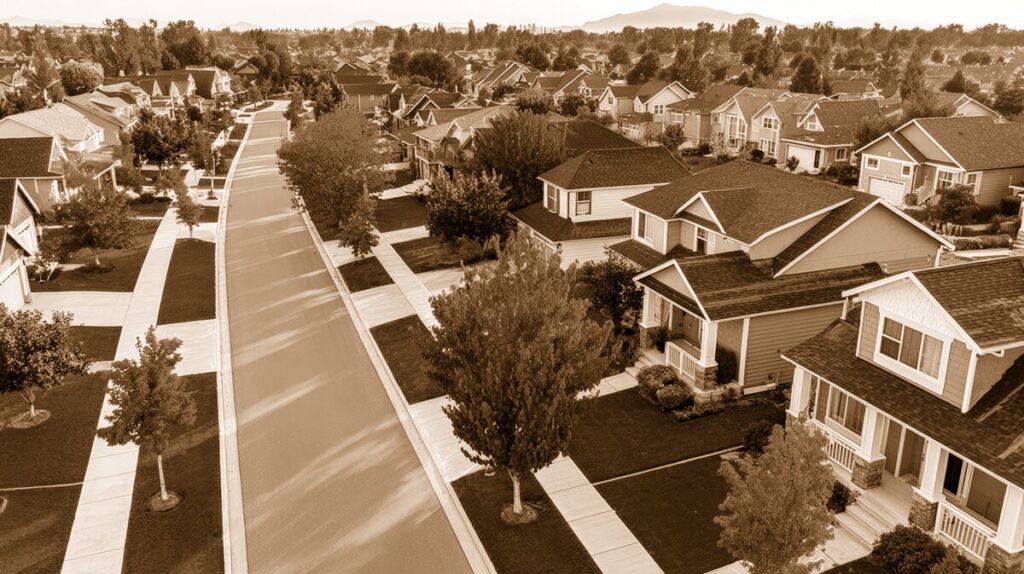
Nestled in central Norfolk, the Rosemont neighborhood stands as a testament to the city’s enduring spirit, echoing stories of growth, resilience, and close-knit community bonds. For over a century, Rosemont has been more than just a collection of homes and streets — it is a living tapestry woven by its residents, architectural heritage, and transformation through the decades.
Origins: From Farmland to Flourishing Neighborhood
Rosemont’s roots trace back to the early 20th century, during an era of expansive growth for Norfolk. Originally, this area was characterized by open fields and woodland just beyond the bustling naval and commercial core. According to old city records, the land that would become Rosemont was initially part of larger agricultural tracts that provided goods and resources to the city’s markets.
As streetcar lines expanded and transportation became more accessible, developers set their sights on this centrally situated land. In the 1920s and 1930s, plots were mapped out, and modest, well-crafted homes sprang up along what would become Rosemont’s defining thoroughfares — including Rosemont Avenue, Maplewood Avenue, and the iconic Chesapeake Boulevard. Many of these original homes still stand, boasting the sturdy construction and distinctive charm of that era.
The Name “Rosemont”: A Nod to Community and Nature
The neighborhood’s name is typically attributed to a desire to reflect both the natural beauty of the area and its promise of gracious living. “Rosemont” is believed to combine “rose,” a symbol of natural elegance and community pride, with “mont,” evoking images of gentle hills and elevated living. This name was popular among early 20th-century developers for its aspirational undertones, and it quickly became synonymous with safe streets, friendly neighbors, and a peaceful atmosphere.
Key Historical Milestones
Rosemont’s history is intertwined with the broader growth of Norfolk. Several major milestones have shaped its journey:
- Development Boom (1920s-1940s):
The expansion of residential streets like Bart Street and Tait Terrace reflected the explosive demand for housing as Norfolk’s navy and shipping industries grew. Families from various backgrounds made Rosemont their home, imbuing the area with a vibrant, multicultural character.
- Postwar Growth (1950s-1960s):
The years following World War II saw another wave of development. Larger homes appeared, as did garden-style apartment complexes. Local institutions — notably Christ the King Catholic School on Stockley Gardens and Rosemont Elementary on Alma Drive — cemented the neighborhood’s reputation as a welcoming place for young families.
- Community Resilience (1970s-1980s):
Faced with challenges of aging infrastructure and shifting demographics, Rosemont united to revitalize its parks, support local businesses, and maintain its unique identity. Community associations sprang up to advocate for residents and preserve the area’s heritage.
- Modern Renewal (1990s-present):
Today, Rosemont blends tradition with progress. Restoration projects have rejuvenated historic homes, and the introduction of contemporary amenities — new businesses along Chesapeake Boulevard, improved public spaces, and ongoing renovation efforts — have ensured the area remains lively and desirable.
Notable Landmarks and Institutions
Though primarily residential, Rosemont boasts landmarks and institutions that evoke its rich heritage:
- Rosemont Avenue:
Strolling down Rosemont Avenue, one can admire rows of classic brick cottages, many with original decorative elements such as arched doorways and colorful tiles. The street itself is a living archive, with century-old oaks shading sidewalks where generations have gathered.
- Christ the King Catholic School:
Located near the southern edge, this school has educated thousands of Rosemont children since its founding in the 1950s. Its historic brick structure and stately grounds serve as a neighborhood anchor.
- Maplewood Park:
Tucked along Maplewood Avenue, this green space is a favorite for family picnics, pick-up games, and seasonal gatherings. Once the site of neighborhood fairs in the 1950s, it continues to foster community spirit.
- Rosemont Community Center:
Home to local events, civic meetings, and recreational programs, the community center on Tyre Neck Road has played a vital role in keeping neighbors connected and engaged.
Streets That Tell Stories
Some of Rosemont’s most distinctive streets remain nearly unchanged since their earliest days, each with its own character:
- Cromwell Drive:
Distinguished by finely detailed brickwork and centuries-old magnolia trees, Cromwell Drive is beloved for its welcoming porches and storybook charm.
- Alma Drive:
Named after one of the neighborhood’s early community leaders, Alma Drive is dotted with homes that have been passed down through generations, reflecting the continuity and warmth that defines Rosemont.
- Tait Terrace:
Once home to Rosemont’s original corner store and trolley stop, this street is emblematic of the neighborhood’s rich past and enduring sense of place.
Evolution Over the Decades
Over the decades, Rosemont has adapted to the changing tides of city life while holding fast to its roots. What was once an outpost on Norfolk’s edge is now minutes from downtown, the naval station, and the region’s major employers. That central location has made Rosemont a perennial favorite for new arrivals and multi-generational families alike.
Recent years have seen the arrival of young professionals, new immigrant communities, and creative entrepreneurs, adding fresh energy and diversity to the neighborhood. Home restorations and small business ventures coexist with traditions like holiday block parties and summer barbecues. The revival of community gardens and local art projects, especially along Alma Drive and Chesapeake Boulevard, speak to Rosemont’s ongoing commitment to fostering friendships and supporting its residents.
What Makes Rosemont Special
Ask any longtime resident, and they’ll wax poetic about what truly sets Rosemont apart:
- A friendly wave from neighbors on evening walks
- Year-round celebrations in Maplewood Park
- Stories passed from one generation to the next, often over coffee on a sun-drenched porch
- A deep sense of pride in maintaining historic homes and nurturing new traditions
Rosemont remains, at its heart, a living mosaic of people and places that echo Norfolk’s enduring promise. Whether you’re drawn by its history, its stately trees, or the simple joy of being part of a close community, Rosemont warmly welcomes all who call it home.